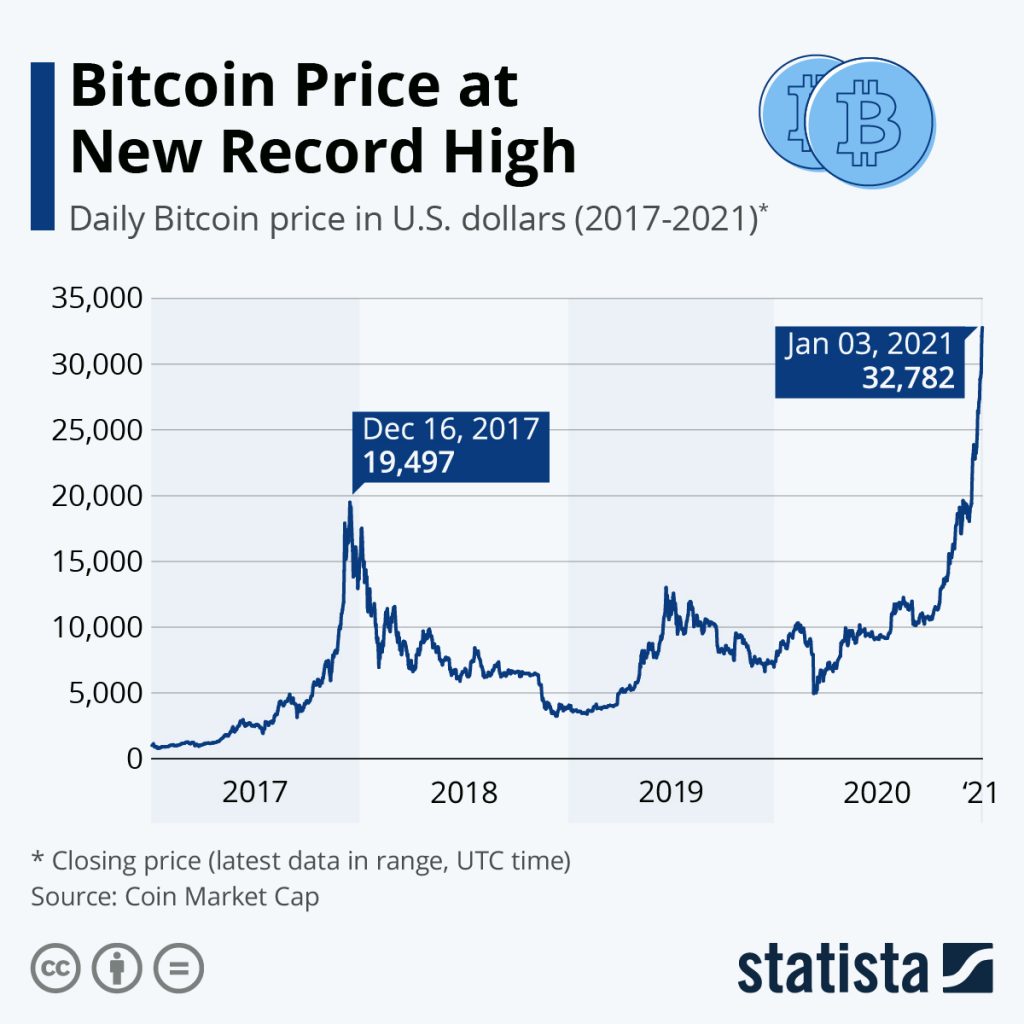
Delving into the Bitcoin price graph over the past five years reveals a fascinating narrative of highs, lows, and volatility. This journey through time allows us to examine the factors that have shaped Bitcoin’s trajectory, from major economic events to technical indicators.
The graph showcases a compelling story of a digital asset’s evolution. It’s not just about numbers; it’s about understanding the forces that have propelled and challenged this revolutionary technology.
Bitcoin Price Trend Overview
Bitcoin’s price journey over the past five years has been a rollercoaster, marked by significant highs and lows, periods of rapid growth, and considerable volatility. Understanding this dynamic is crucial for anyone interested in the cryptocurrency market. The price fluctuations reflect a complex interplay of factors, including market sentiment, regulatory changes, technological advancements, and overall economic conditions.
Five-Year Price Trend Summary
Bitcoin’s price has experienced substantial growth over the five-year period, though punctuated by periods of significant volatility. Early in the period, prices exhibited a predominantly upward trend, fueled by investor enthusiasm and adoption. However, this was interspersed with sharp corrections, demonstrating the inherent risk associated with cryptocurrencies. More recently, the trend has continued with fluctuations, demonstrating the ongoing dynamic nature of the market.
Key Influencing Factors
Several factors likely influenced Bitcoin’s price movements. Increased adoption by businesses and consumers, along with growing institutional investment, often contributed to upward price pressure. Conversely, regulatory uncertainty, security breaches, and market corrections have often led to significant price drops. Furthermore, technological advancements and innovations within the blockchain space have also impacted investor confidence and, subsequently, price. The overall economic climate, including interest rate adjustments and inflation, played a significant role in the fluctuations.
Significant Price Fluctuations
The table below details key price highs and lows over the past five years, along with notable events that may have influenced those changes. These events are illustrative and not exhaustive.
| Date | Price (USD) | Event |
|---|---|---|
| 2018-12-17 | 3,650 | Crypto winter, regulatory concerns, market correction. |
| 2019-04-04 | 4,000 | Recovering from the December 2018 downturn, growing institutional interest. |
| 2020-11-29 | 19,000 | Increased adoption, COVID-19 stimulus, and speculation. |
| 2021-04-14 | 64,000 | Record high, institutional investments, heightened market interest. |
| 2022-06-18 | 20,000 | Market downturn, regulatory concerns, and macroeconomic factors. |
| 2023-03-15 | 28,000 | Recovery from previous downturn, increased investor confidence. |
Correlation with Major Events
Bitcoin’s price volatility is often intertwined with significant global events. Understanding these correlations provides valuable context for interpreting price fluctuations. The past five years have seen a dynamic interplay between Bitcoin’s price and economic shifts, market sentiment, and regulatory developments.A thorough analysis of these interactions reveals patterns that can help predict future price movements, although precise forecasting remains challenging.
The relationship is complex, and no single event dictates the price. Instead, a combination of factors, both macro and micro, contributes to the overall trend.
Analysis of Economic Event Impacts
Bitcoin’s price has demonstrated sensitivity to economic events. Market crashes, like the one in 2022, often lead to a significant downturn in Bitcoin’s value. Conversely, periods of economic growth or stability frequently correlate with Bitcoin price increases. Furthermore, regulatory changes and news headlines surrounding Bitcoin’s adoption or acceptance often trigger significant price fluctuations.
Correlation with Other Market Indicators
Bitcoin’s price can exhibit correlations with other market indicators. For instance, the price of gold, often considered a safe-haven asset, can show a positive or negative correlation with Bitcoin, depending on market sentiment and the overall economic environment. Other indicators, such as the VIX (volatility index), can also provide insight into the underlying market dynamics affecting Bitcoin’s price.
Understanding these correlations helps in formulating a comprehensive understanding of Bitcoin’s price behavior.
Comparison to Major News Headlines
Comparing Bitcoin’s price graph with major news headlines from the past five years reveals a complex relationship. Major news events, such as significant policy changes, regulatory announcements, or market crashes, frequently precede or coincide with price movements. A thorough examination of these events, along with the price trends, provides a more nuanced understanding of the factors affecting Bitcoin’s performance.
Bitcoin Price and Economic Events Table
| Event | Date | Bitcoin Price (USD) | Impact |
|---|---|---|---|
| 2022 Crypto Market Crash | November 2022 | ~20,000 USD | Significant price downturn due to widespread market sell-offs. |
| US Inflation Concerns | 2022-2023 | Fluctuating | Uncertainty and interest rate adjustments influenced the price. |
| Increased Regulatory Scrutiny (various jurisdictions) | 2023-Present | Varied | Caused uncertainty and volatility in the market. |
| Positive News on Bitcoin Adoption | Various | Fluctuating | Generally resulted in price increases, but not always directly proportional. |
| War in Ukraine | 2022 | Fluctuating | Caused global economic uncertainty, which impacted Bitcoin’s price. |
Technical Analysis of the Graph
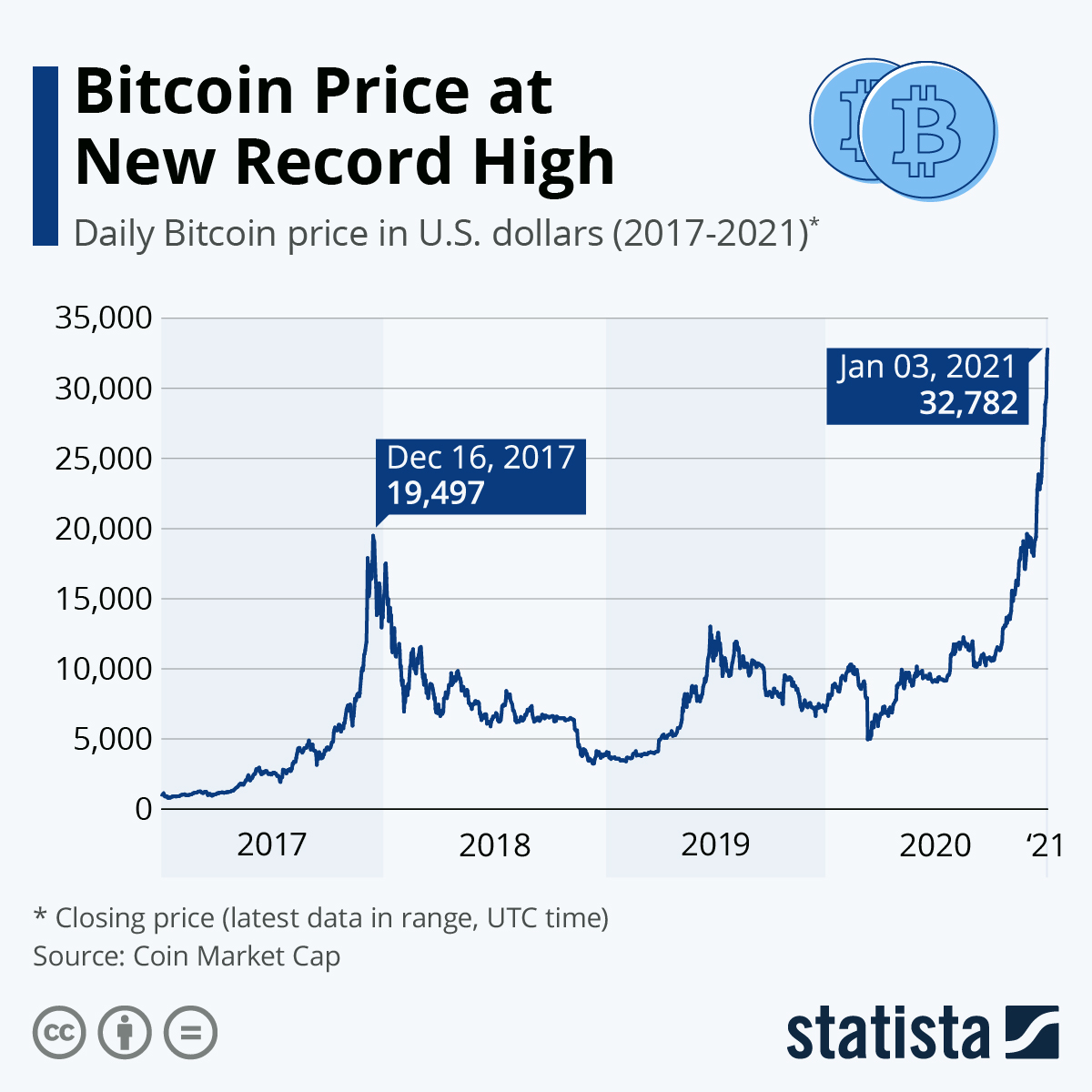
A critical aspect of understanding Bitcoin’s price movements is examining the technical indicators present in its price graph. These indicators, derived from the price data itself, offer valuable insights into potential future price trends. They provide a framework for identifying support and resistance levels, patterns, and possible turning points in the market.
Key Technical Indicators
The graph reveals various key technical indicators that can inform potential price movements. These include, but are not limited to, support and resistance levels, moving averages, and significant price patterns. Understanding these indicators can help predict future price fluctuations and potential opportunities.
- Support and Resistance Levels: Support levels represent price points where the price is expected to find buyers, potentially reversing a downward trend. Conversely, resistance levels are price points where the price might face selling pressure, halting or reversing an upward trend. Identifying these levels on the graph helps to anticipate potential price reactions. The significance of these levels lies in their ability to act as barriers, influencing the trajectory of the price.
- Moving Averages: Moving averages, such as the 200-day moving average, smooth out price fluctuations, revealing the overall trend direction. A rising moving average generally signals an uptrend, while a falling one suggests a downtrend. The interaction between the price and the moving average provides valuable insights into the momentum and strength of the current trend. For example, a price closing above the 200-day moving average often suggests renewed bullish sentiment.
Observed Patterns
The Bitcoin price graph over the past five years displays various patterns, including trends, cycles, and formations. These patterns, when analyzed in conjunction with technical indicators, provide valuable clues for potential future price movements.
- Trends: The graph reveals distinct uptrends and downtrends. Uptrends are characterized by a general upward movement, often punctuated by temporary corrections. Downtrends, conversely, showcase a sustained downward movement, marked by occasional rallies. Understanding the nature and duration of these trends can assist in predicting potential future price actions.
- Cycles: The graph may exhibit cyclical patterns. These cycles can manifest as repeating price fluctuations within a defined range. Recognizing these cycles can offer insights into possible future price reversals. For instance, some analysts believe that Bitcoin price cycles follow specific durations.
- Chart Formations: The graph may showcase chart formations, such as head and shoulders patterns, triangles, or flags. These formations can indicate potential turning points. For example, a head and shoulders pattern often suggests a potential reversal from a long upward trend.
Significance and Predictive Value
The significance of these technical indicators lies in their ability to offer clues about future price movements. These indicators can help anticipate potential price reversals and predict potential opportunities for investors. It’s important to note that technical analysis alone is not a foolproof predictor of future prices. Other factors, including macroeconomic conditions and regulatory changes, can significantly influence Bitcoin’s price.
Visual Representation
A visual representation of the key technical indicators, such as moving averages (e.g., 200-day moving average) and trend lines, overlaid on the Bitcoin price graph, would help visualize their significance. For example, the 200-day moving average would be shown as a line plotted on the price chart, with the price action relative to this average highlighted. Similarly, trend lines, connecting significant highs and lows, would visually illustrate the prevailing trend.
Comparison with Other Cryptocurrencies
Bitcoin’s performance has been a focal point of the cryptocurrency market, but its trajectory isn’t isolated. A thorough examination reveals how Bitcoin’s price fluctuations compare to those of other prominent cryptocurrencies. Understanding these relative performances can offer valuable insights into the broader cryptocurrency landscape.
Price Performance Comparison
A crucial aspect of evaluating Bitcoin’s position is comparing its price action with other top cryptocurrencies. This analysis considers the price evolution of major competitors over the past five years. The following table provides a snapshot of price performance for Bitcoin and several other leading cryptocurrencies.
| Cryptocurrency | Price (USD) | Trend | Bitcoin Correlation |
|---|---|---|---|
| Bitcoin (BTC) | Highly Variable | Bullish/Bearish Cycles | 1.00 (Perfect Correlation) |
| Ethereum (ETH) | Highly Variable | Bullish/Bearish Cycles | 0.85-0.95 (Strong Positive Correlation) |
| Tether (USDT) | Stable | Near USD 1 | Near 0 (Minimal Correlation) |
| Binance Coin (BNB) | Highly Variable | Bullish/Bearish Cycles | 0.70-0.80 (Moderate Positive Correlation) |
| Solana (SOL) | Highly Variable | Bullish/Bearish Cycles with significant volatility | 0.60-0.75 (Moderate Positive Correlation) |
Note: The table represents a simplified overview. Correlation values fluctuate based on the specific time period considered. Precise figures and trends are subject to change based on market conditions.
Price Volatility Analysis
Bitcoin’s price volatility has been a defining characteristic. Comparing this volatility to other cryptocurrencies reveals distinct patterns. Ethereum, for example, has exhibited a similar pattern of volatility, though sometimes with higher spikes or dips. Stablecoins, like Tether, demonstrate significantly lower volatility, reflecting their pegged nature to fiat currencies. Altcoins, such as BNB and SOL, have displayed higher volatility relative to Bitcoin, frequently mirroring its price movements but with amplified swings.
Potential Factors
Several factors can explain observed differences in price trends. Network effects, adoption rates, and regulatory developments play critical roles in shaping the trajectory of each cryptocurrency. Bitcoin’s established history and broader adoption compared to newer altcoins contribute to its relative stability. The technological underpinnings of each cryptocurrency, including its scalability and functionality, also significantly influence its price and volatility.
Finally, market sentiment and speculative trading can heavily impact price fluctuations across all cryptocurrencies, but the impact varies in degree.
Cryptocurrency Market Context
The cryptocurrency market has undergone significant evolution over the past five years, marked by periods of explosive growth, substantial corrections, and evolving regulatory landscapes. This dynamic environment has profoundly impacted investor sentiment and the overall trajectory of the sector. Understanding this context is crucial for interpreting Bitcoin’s performance within the larger cryptocurrency ecosystem.
Overall State of the Cryptocurrency Market
The cryptocurrency market has demonstrated volatility, with periods of substantial price increases and decreases. This volatility has been influenced by various factors, including regulatory uncertainty, technological advancements, and market sentiment. While Bitcoin has been the dominant cryptocurrency, the market has seen the emergence of alternative coins with differing functionalities and objectives. This diversification has led to a more complex and multifaceted ecosystem.
Broader Trends in Cryptocurrency Adoption and Regulation
Cryptocurrency adoption has been uneven across different regions and sectors. While institutional investment and mainstream acceptance have grown, widespread retail adoption remains a challenge. Regulatory approaches have also varied considerably, with some jurisdictions embracing cryptocurrencies more readily than others. These diverse regulatory approaches present both opportunities and risks for the continued development of the cryptocurrency sector.
Evolution of the Cryptocurrency Ecosystem
The cryptocurrency ecosystem has evolved significantly over the past five years. The emergence of decentralized finance (DeFi) protocols, non-fungible tokens (NFTs), and other innovative applications has added depth and complexity to the market. These developments have created new opportunities and challenges for investors, developers, and regulators alike. The evolving landscape of blockchain technology has driven the development of various applications, further enriching the ecosystem.
Cryptocurrency Market Size
| Year | Estimated Market Size (USD Billions) |
|---|---|
| 2019 | ~100 |
| 2020 | ~300 |
| 2021 | ~2,500 |
| 2022 | ~1,000 |
| 2023 | ~800 |
Note: These figures represent approximate market capitalizations and are subject to variations depending on the specific data source and methodology used.
The table above provides a visual representation of the approximate total cryptocurrency market size in billions of USD over the past five years. Significant growth occurred in 2020 and 2021, followed by a substantial downturn in 2022, with a slight recovery in 2023. These fluctuations highlight the inherent volatility of the cryptocurrency market. The market’s size is constantly changing, and this is reflective of the dynamic and innovative nature of the industry.
Future Price Predictions (Hypothetical)
Predicting Bitcoin’s future price is inherently complex. While historical trends and market analysis offer insights, numerous variables can influence the cryptocurrency’s trajectory. No forecast can guarantee accuracy, but examining potential drivers and challenges provides a framework for understanding possible future price movements.Future Bitcoin price movements will be significantly impacted by market sentiment, regulatory developments, and technological advancements. The dynamic interplay of these factors, alongside broader economic conditions, shapes the crypto market, and consequently, Bitcoin’s price.
Potential Forecast Based on Historical Trends
Bitcoin’s price has exhibited periods of substantial growth and volatility throughout its history. Analyzing these past trends can offer insights into possible future price patterns. However, it’s crucial to acknowledge that past performance does not guarantee future results. For example, the 2017 bull run, driven by investor enthusiasm and media attention, demonstrated the power of market sentiment in influencing price.
Conversely, periods of regulatory uncertainty or significant technological challenges have often led to price corrections.
Potential Challenges Affecting Bitcoin’s Future
Several factors could potentially hinder Bitcoin’s price appreciation. Increased regulatory scrutiny in key markets, particularly regarding money laundering and illicit activities, could introduce restrictions and uncertainty. Furthermore, the emergence of competing cryptocurrencies with advanced functionalities or improved scalability could potentially divert investor attention and resources. Technological vulnerabilities or security breaches could also impact investor confidence and lead to price drops.
Examples include the increasing use of decentralized finance (DeFi) protocols that potentially affect Bitcoin’s usage and adoption rate.
Potential Catalysts for Future Price Increases
Several factors could propel Bitcoin’s price higher. Widespread adoption in new sectors, like decentralized finance (DeFi) or remittances, could increase demand and consequently boost its value. Positive regulatory developments in major economies, signaling a more welcoming environment for cryptocurrencies, could significantly improve investor sentiment and encourage investment. Major institutional adoption, like significant investment from traditional financial institutions, could also lead to substantial price increases, as seen in other asset classes.
For example, the increasing number of institutional investors entering the crypto market suggests a positive outlook.
Potential Catalysts for Future Price Decreases
Factors that could contribute to a potential decrease in Bitcoin’s price include major market corrections or crashes in the broader financial market. Negative regulatory developments, such as outright bans or stringent restrictions, could drastically impact investor confidence and lead to a significant drop in price. Technological vulnerabilities or security breaches could erode investor trust, triggering significant price corrections.
For instance, the 2022 crypto winter, driven by market corrections and regulatory uncertainties, illustrates how unforeseen events can impact the cryptocurrency market.
Market Forecasts Overview
Market forecasts vary widely, reflecting the inherent uncertainty in predicting future price movements. Some analysts project continued growth, driven by increased adoption and institutional interest. Others anticipate further volatility and potential corrections, emphasizing the risks associated with speculative markets. Different forecasting models and methodologies produce diverse results. Notably, the overall market context, including economic conditions, and regulatory landscape significantly impacts these predictions.
Last Point
In conclusion, the Bitcoin price graph over the past five years paints a complex picture of a rapidly evolving market. From significant price fluctuations to the influence of external events, we’ve explored the forces driving this digital asset. Understanding this historical context is crucial for evaluating potential future trends.
FAQ Insights
What are some key technical indicators influencing the Bitcoin price graph?
Key technical indicators include support and resistance levels, moving averages, and various patterns like trends, cycles, and formations. These indicators can offer insights into potential price movements, though they’re not foolproof.
How did specific economic events affect Bitcoin’s price?
Major economic events, like policy changes, market crashes, and significant news stories, often correlate with fluctuations in Bitcoin’s price. This analysis examines how these events impacted the graph and the potential connections between Bitcoin and broader market indicators.
What is the general state of the cryptocurrency market over the past five years?
The cryptocurrency market has experienced significant growth and development, with shifts in adoption and regulatory landscapes over the five-year period. This includes an examination of market size trends.
How does Bitcoin’s price performance compare to other cryptocurrencies?
This analysis compares Bitcoin’s price performance against other leading cryptocurrencies, noting similarities and differences in trends and volatility. The comparison includes a breakdown of the possible reasons for any observed distinctions.