April 18, 2026

Finance

Bitcoin ATMs have become increasingly popular as a way to access and utilize cryptocurrency. A common question arises regarding their ability to facilitate gift card purchases. This exploration delves into the functionality, security, and practical considerations surrounding Bitcoin ATM gift card transactions.

From the initial Bitcoin purchase to the final gift card redemption, this discussion unravels the intricacies of this emerging payment method. We’ll analyze the advantages and disadvantages, comparing them to traditional gift card purchase methods. The information presented is based on the provided Artikel, offering a comprehensive overview.

Bitcoin ATM Gift Card Functionality

Bitcoin ATMs are increasingly offering gift card purchasing options, enabling users to convert their Bitcoin holdings into various gift cards for popular retailers. This functionality extends the utility of Bitcoin beyond simple peer-to-peer transactions, making it more accessible for everyday purchases.Bitcoin ATMs typically facilitate gift card purchases by employing a secure, intermediary system. This process involves the user initiating a transaction at the ATM, selecting the desired gift card retailer, and inputting the desired amount.

The ATM then processes the transaction and dispenses the gift card.

Gift Card Purchase Process at Bitcoin ATMs

The typical process involves several steps. First, the user selects the desired gift card retailer. Then, they input the amount they wish to spend in Bitcoin. The ATM verifies the transaction, prompting confirmation from the user. Following confirmation, the ATM issues the gift card and any necessary PIN or activation codes.

Types of Gift Cards Available

A variety of gift cards can be purchased at Bitcoin ATMs, mirroring the options available through traditional retail channels. Popular choices include gift cards for retailers like Amazon, Starbucks, Walmart, Target, and others. This flexibility caters to a broad range of consumer preferences and spending needs.

Comparison of Bitcoin ATM Platforms

Platform Gift Card Types Transaction Fees Minimum/Maximum Purchase
Example Platform 1 Amazon, Starbucks, Visa 1% $10 – $500
Example Platform 2 Walmart, Target, Mastercard 2% $20 – $1000
Example Platform 3 Restaurant chains, local businesses, and others 1.5% $5 – $250

The table above provides a concise overview of different Bitcoin ATM platforms and their gift card support. Note that fees and limits can vary significantly depending on the specific platform and retailer. Thorough research and comparison are crucial for users seeking the best deal.

Bitcoin ATM Transaction Security

Bitcoin ATMs, while convenient for accessing Bitcoin, present unique security challenges, particularly during gift card purchases. Robust security protocols are crucial to safeguarding both user funds and the integrity of the transaction process. This discussion delves into the measures employed by these ATMs, potential risks, and comparative analyses of different providers.The security of Bitcoin ATM transactions hinges on a multitude of factors, from the physical security of the machine to the cryptographic safeguards employed in the underlying software.

Ensuring user data and funds are protected is paramount.

Security Measures Employed by Bitcoin ATMs

Bitcoin ATMs utilize various security measures to protect transactions. These measures typically include multi-factor authentication (MFA), encryption of data both in transit and at rest, and secure hardware modules (HSMs) to protect private keys. Furthermore, many Bitcoin ATMs incorporate robust anti-fraud systems to detect and prevent fraudulent activities.

Potential Risks and Vulnerabilities

Several potential risks can compromise the security of Bitcoin ATM transactions. These include, but are not limited to, physical tampering of the ATM, malware infecting the ATM software, and human error during the transaction process. Furthermore, vulnerabilities in the underlying cryptocurrency network or third-party payment systems used for gift card purchases can also introduce risks. Poorly designed or maintained software can create significant weaknesses.

Comparative Analysis of Security Protocols Across Providers

Different Bitcoin ATM providers employ varying security protocols. Some providers utilize more advanced encryption techniques and multi-factor authentication methods compared to others. A comparative analysis reveals significant differences in the sophistication of security measures. Variations in the hardware and software used directly impact the security protocols and vulnerabilities of different Bitcoin ATMs. This variability in security protocols is a significant consideration for users.

Examples of Successful and Failed Security Implementations

Several instances of successful and failed security implementations in the Bitcoin ATM industry highlight the importance of robust security measures. Successful implementations often involve proactive measures like regular software updates, penetration testing, and strong partnerships with financial institutions. Conversely, failed implementations frequently demonstrate the need for stringent security protocols and robust auditing processes. The Mt. Gox exchange hack, for example, showcases how vulnerabilities in cryptocurrency systems can propagate to other systems, like Bitcoin ATMs.

This underscores the importance of a comprehensive security approach. An example of a successful implementation would be a Bitcoin ATM provider that proactively monitors and responds to security threats.

Gift Card Purchase Limits and Restrictions

Bitcoin ATMs often impose limits on gift card purchases to prevent abuse and ensure a secure transaction environment. These limits vary depending on the specific ATM network and the type of gift card. Understanding these restrictions is crucial for users to avoid unexpected issues during the transaction process.

Typical Purchase Limits

Gift card purchase limits at Bitcoin ATMs are generally set to protect both the user and the ATM operator. These limits typically range from a few hundred dollars to several thousand dollars per transaction, and can be subject to change based on the ATM network. This is intended to mitigate the risk of large-scale fraudulent activities.

Restrictions on Gift Card Types

Bitcoin ATMs do not accept all gift card types. Restrictions often apply to gift cards associated with specific industries or activities, such as gambling, adult content, or other potentially risky ventures. This is a safety measure designed to comply with local regulations and prevent money laundering or illegal activities. For example, gift cards for online casinos or sites that sell adult material are often excluded from purchase options.

Varying Transaction Limits and Restrictions Across ATM Networks

Different Bitcoin ATM networks have distinct policies regarding gift card purchases. These differences reflect the varying regulatory environments and security protocols employed by each network.

ATM Network Gift Card Limits Restrictions
Example Network 1 $500 per transaction No gift cards for gambling sites.
Example Network 2 $1000 per transaction No gift cards for adult content. Also, no gift cards redeemable at establishments with questionable legality.
Example Network 3 $250 per transaction, with a daily limit of $1000 Gift cards for prepaid mobile phone services are not accepted.

Bitcoin Purchase Procedures

Acquiring Bitcoin involves several methods, each with varying degrees of cost, speed, and security. Understanding these options is crucial for making informed decisions when entering the cryptocurrency market. Different platforms cater to diverse needs and preferences, ranging from established exchanges to user-friendly mobile applications.The process of purchasing Bitcoin can be streamlined with clear understanding of the available options.

A key consideration is the platform’s security measures and user reviews, as well as the fees associated with the transaction. Factors such as transaction speed and ease of use are equally important.

Bitcoin Purchase from Exchanges

Numerous reputable exchanges facilitate Bitcoin purchases. These platforms typically require account creation and verification to ensure compliance with regulations. The process usually involves depositing funds (often via bank transfer, wire transfer, or credit/debit card) into the exchange account, followed by selecting Bitcoin as the purchase target.

Bitcoin Purchase from Other Platforms

Besides exchanges, various other platforms offer Bitcoin purchase services. These platforms may have different fee structures, security protocols, and user interfaces. Examples include peer-to-peer (P2P) marketplaces and specialized Bitcoin ATM networks.

Comparison of Bitcoin Purchasing Methods

Different Bitcoin purchasing methods present varying trade-offs in terms of cost, speed, and security.

Method Cost Speed Security
Exchanges Transaction fees, potential spread Generally fast, depending on network conditions High, often with robust security measures
P2P Marketplaces Variable, potentially lower fees Variable, often slower than exchanges Moderate, user discretion in selecting trusted sellers is critical
Bitcoin ATMs Fees vary, typically higher than exchanges Relatively quick Moderate, depending on ATM security measures

Step-by-Step Guide: Mobile App Purchase

Using a mobile application for Bitcoin purchases is often convenient and accessible.

  • Download and Install: Download the selected mobile application from the app store. Verify the app’s reputation and security credentials.
  • Account Creation: Create an account by providing necessary information and adhering to the platform’s guidelines. This includes verifying your identity.
  • Funding the Account: Deposit funds into your account using a supported payment method (e.g., bank transfer, credit/debit card). Note any associated fees.
  • Bitcoin Purchase: Select Bitcoin as the target asset and enter the desired purchase amount. Review the transaction details before confirming the purchase.
  • Confirmation and Monitoring: The platform will display a confirmation message and initiate the Bitcoin transfer. Monitor the transaction status for completion.

Bitcoin ATM vs. Traditional Gift Card Purchase

Purchasing gift cards using Bitcoin ATMs presents a compelling alternative to traditional methods. This comparison explores the nuances of each approach, highlighting the advantages and disadvantages of using Bitcoin ATMs for gift card transactions. Understanding these differences is crucial for making informed decisions about the most suitable method for specific needs.The choice between Bitcoin ATM and traditional gift card purchases hinges on factors like transaction fees, convenience, and security.

Bitcoin ATMs, while offering a potentially lower-cost and more decentralized option, may present limitations in terms of availability and potential security risks. Traditional methods, on the other hand, are typically more accessible but often come with higher fees and less flexibility.

Differences in Transaction Fees

Transaction fees are a significant consideration when comparing the two methods. Bitcoin ATMs often offer potentially lower fees compared to traditional methods. This is due to the decentralized nature of Bitcoin and the potential for reduced intermediaries. However, the actual fees can vary significantly depending on the specific Bitcoin ATM and the terms of the transaction. Traditional methods typically involve multiple layers of processing, leading to higher fees that are often more predictable but less flexible.

Availability and Convenience

The availability and convenience of each method are also key differentiators. Bitcoin ATMs, while becoming more widespread, still have a limited geographical reach compared to traditional gift card purchase methods. This limited availability can be a significant drawback, particularly for users in areas with fewer Bitcoin ATM locations. Traditional gift card purchase methods, on the other hand, are ubiquitous, allowing for easy access and purchase from various retailers.

The process is usually straightforward and familiar, making it convenient for the majority of users.

Security Considerations

Security is a crucial aspect to consider. Bitcoin ATMs, due to their decentralized nature, can potentially expose users to risks associated with hardware malfunctions, software vulnerabilities, or even fraud. Traditional methods generally have established security protocols and regulatory oversight. However, security risks still exist with traditional methods, such as credit card fraud or compromised payment gateways. Bitcoin ATM users should be cautious about scams or malicious actors, while traditional users should still follow best practices to protect their financial information.

Overall Experience Comparison

The overall experience of purchasing gift cards with Bitcoin ATMs can differ substantially from traditional methods. Bitcoin ATM transactions may involve a slightly more complex process, particularly for those unfamiliar with the technology. Traditional methods, however, are usually straightforward and user-friendly, mirroring the user experience for everyday transactions.

Pros and Cons Table

Method Pros Cons
Bitcoin ATM Potentially lower fees, alternative payment method, potentially higher security for sensitive financial transactions (but not guaranteed), often available at various locations outside the typical retail setting Limited availability, potential security risks (hardware malfunctions, software vulnerabilities, fraud), more complex process for some users, technical issues could occur, and less familiar for many
Traditional Widely available, familiar process, established security protocols, regulatory oversight, often a simple and straightforward process Higher fees, less flexibility, limited alternative payment methods, often associated with traditional financial institutions, may not be suitable for transactions in a remote area

Future Trends in Bitcoin ATM Gift Card Purchases

I-moover - Gąbki polerskie do lakieru - Allegro.pl

The intersection of Bitcoin ATMs and gift card purchases is a dynamic area, poised for significant evolution. Current trends indicate a growing demand for alternative payment methods, including cryptocurrencies, driving the need for innovative solutions like Bitcoin ATM gift card transactions. This section examines potential future advancements and their impact on the market.

Potential Advancements in Technology

Technological improvements will likely shape the future of Bitcoin ATM gift card purchases. Enhanced security protocols, employing biometric authentication and multi-factor authentication, will be crucial for safeguarding transactions. This will mitigate the risk of fraud and enhance user trust. Improved user interfaces (UIs) and user experiences (UXs) are also anticipated. Intuitive apps and simplified procedures for both Bitcoin ATM and gift card purchasing will improve accessibility and attract a broader user base.

Real-time transaction processing and confirmation, similar to instantaneous bank transfers, will further streamline the experience. Integration with existing payment ecosystems, enabling seamless integration with other platforms, will be a key aspect. Furthermore, advancements in blockchain technology could lead to more efficient and transparent transaction verification processes.

Impact on the Overall Market

The advancements in Bitcoin ATM gift card purchases will have a significant impact on the overall market. Wider acceptance of Bitcoin as a payment method will accelerate its adoption. Increased accessibility of gift cards via Bitcoin ATMs will foster the growth of the cryptocurrency market. This will likely stimulate competition among various gift card providers, leading to improved pricing and wider selection.

Moreover, this trend could encourage the development of specialized Bitcoin ATM networks dedicated to gift card purchases, potentially driving innovation and expansion in this area.

Emerging Regulations and Standards

The future of Bitcoin ATM gift card purchases is also intertwined with evolving regulations and standards. Clearer regulatory frameworks concerning the handling of cryptocurrency transactions are likely to emerge, including standards for transaction reporting, anti-money laundering (AML) compliance, and consumer protection. This will ensure the safety and security of both users and gift card providers. Collaboration between cryptocurrency exchanges, payment processors, and regulatory bodies will be essential to establishing clear and consistent guidelines.

These regulations will likely focus on consumer protection, preventing illicit activities, and ensuring fair competition within the market. Compliance with KYC (Know Your Customer) and AML (Anti-Money Laundering) standards will be critical for all stakeholders involved.

Bitcoin ATM Transaction Fees

Transaction fees charged by Bitcoin ATMs for gift card purchases will likely become a key aspect in the future. The structure of these fees may become more transparent and competitive, affecting pricing strategies for gift cards. Different fee models, such as per-transaction fees or percentage-based fees, may emerge, potentially influencing user choice. Bitcoin ATM operators may offer varying fee structures based on transaction volume or user loyalty programs.

Final Wrap-Up

In conclusion, while Bitcoin ATMs offer an alternative way to acquire gift cards, it’s crucial to understand the nuances of security, transaction limits, and available options. Ultimately, the decision of whether to use a Bitcoin ATM for gift card purchases depends on individual needs and preferences, weighing the potential benefits against the drawbacks.

Quick FAQs

What are typical transaction fees for purchasing gift cards via Bitcoin ATMs?

Transaction fees vary considerably between different Bitcoin ATM platforms. Some platforms might charge as low as 1% while others may be as high as 2%. Always check with the specific ATM provider for the exact fee structure.

Are there any restrictions on the types of gift cards that can be purchased using Bitcoin ATMs?

Yes, there are often restrictions. Gift cards for gambling sites or adult content are commonly excluded. It’s vital to understand these restrictions before initiating a transaction.

What security measures are in place to protect transactions at Bitcoin ATMs?

Bitcoin ATMs employ various security measures, including encryption and multi-factor authentication. However, like any transaction involving cryptocurrency, risks remain. The security protocols vary across different providers.

How do Bitcoin ATMs differ from traditional gift card purchase methods?

Bitcoin ATMs offer an alternative payment method, potentially with lower fees, but may have limited availability and security risks compared to traditional methods. Traditional methods are generally more readily available and offer a more familiar process, but typically involve higher fees.
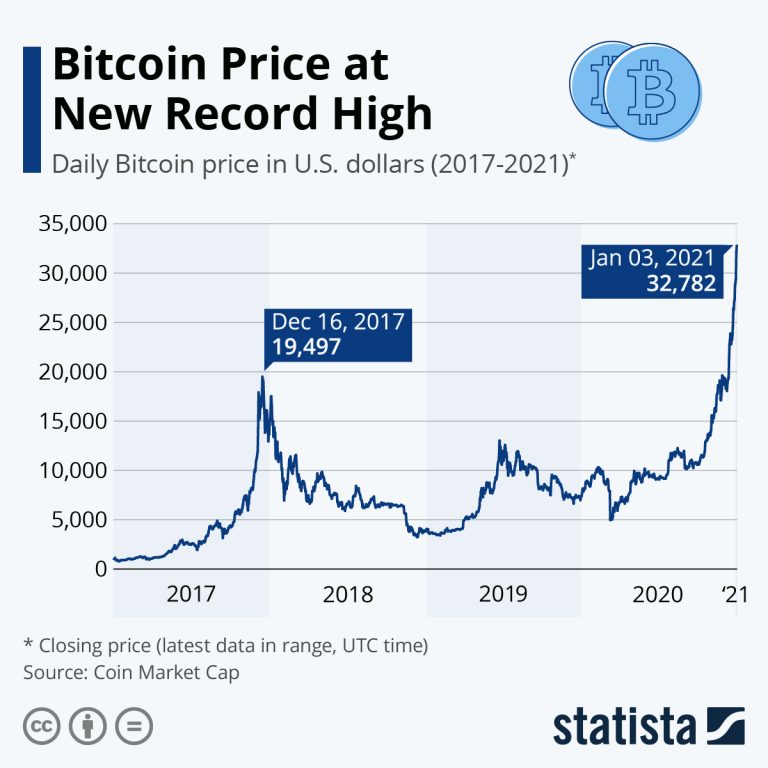
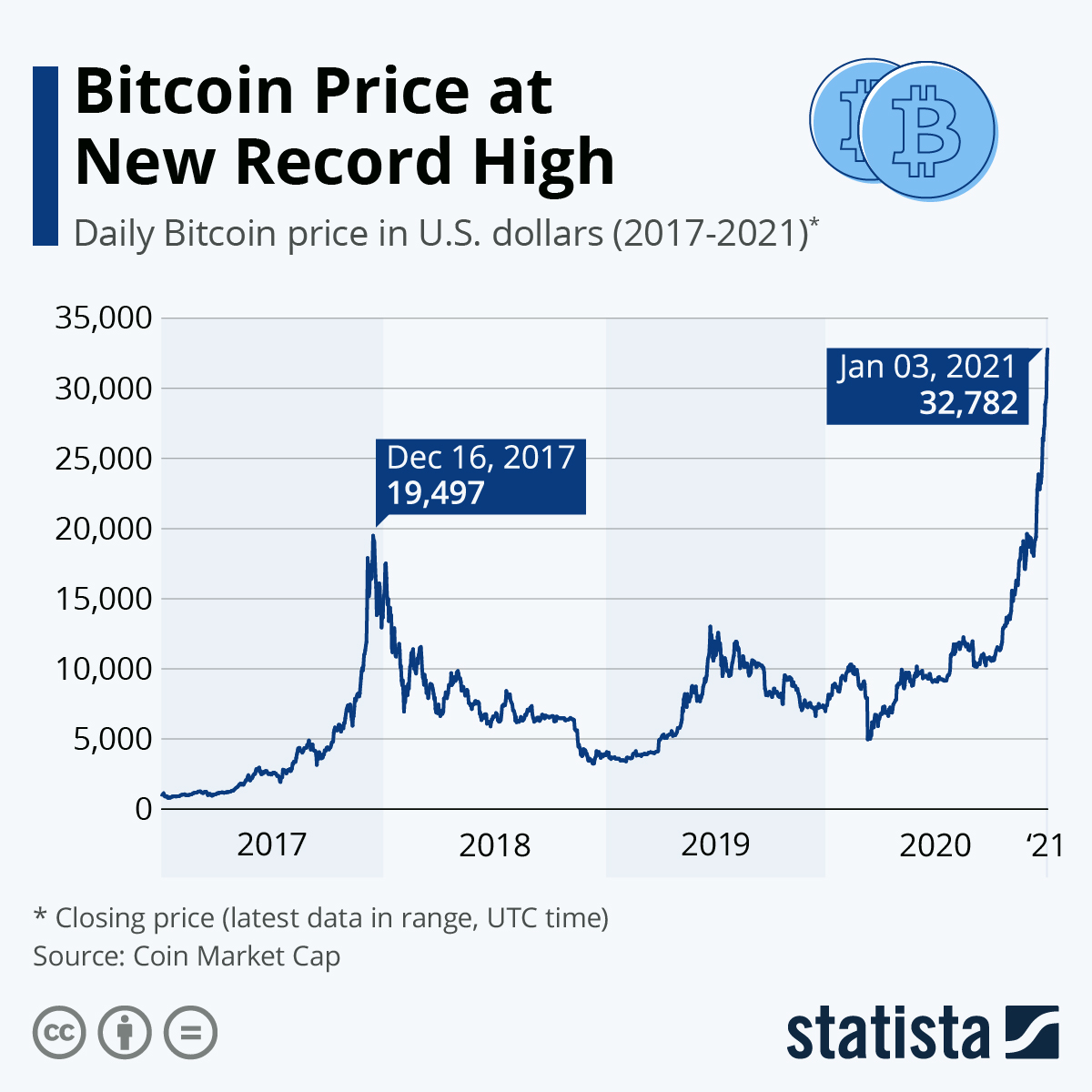
Delving into the Bitcoin price graph over the past five years reveals a fascinating narrative of highs, lows, and volatility. This journey through time allows us to examine the factors that have shaped Bitcoin’s trajectory, from major economic events to technical indicators.

The graph showcases a compelling story of a digital asset’s evolution. It’s not just about numbers; it’s about understanding the forces that have propelled and challenged this revolutionary technology.

Bitcoin Price Trend Overview

Bitcoin’s price journey over the past five years has been a rollercoaster, marked by significant highs and lows, periods of rapid growth, and considerable volatility. Understanding this dynamic is crucial for anyone interested in the cryptocurrency market. The price fluctuations reflect a complex interplay of factors, including market sentiment, regulatory changes, technological advancements, and overall economic conditions.

Five-Year Price Trend Summary

Bitcoin’s price has experienced substantial growth over the five-year period, though punctuated by periods of significant volatility. Early in the period, prices exhibited a predominantly upward trend, fueled by investor enthusiasm and adoption. However, this was interspersed with sharp corrections, demonstrating the inherent risk associated with cryptocurrencies. More recently, the trend has continued with fluctuations, demonstrating the ongoing dynamic nature of the market.

Key Influencing Factors

Several factors likely influenced Bitcoin’s price movements. Increased adoption by businesses and consumers, along with growing institutional investment, often contributed to upward price pressure. Conversely, regulatory uncertainty, security breaches, and market corrections have often led to significant price drops. Furthermore, technological advancements and innovations within the blockchain space have also impacted investor confidence and, subsequently, price. The overall economic climate, including interest rate adjustments and inflation, played a significant role in the fluctuations.

Significant Price Fluctuations

The table below details key price highs and lows over the past five years, along with notable events that may have influenced those changes. These events are illustrative and not exhaustive.

Date Price (USD) Event
2018-12-17 3,650 Crypto winter, regulatory concerns, market correction.
2019-04-04 4,000 Recovering from the December 2018 downturn, growing institutional interest.
2020-11-29 19,000 Increased adoption, COVID-19 stimulus, and speculation.
2021-04-14 64,000 Record high, institutional investments, heightened market interest.
2022-06-18 20,000 Market downturn, regulatory concerns, and macroeconomic factors.
2023-03-15 28,000 Recovery from previous downturn, increased investor confidence.

Correlation with Major Events

Bitcoin’s price volatility is often intertwined with significant global events. Understanding these correlations provides valuable context for interpreting price fluctuations. The past five years have seen a dynamic interplay between Bitcoin’s price and economic shifts, market sentiment, and regulatory developments.A thorough analysis of these interactions reveals patterns that can help predict future price movements, although precise forecasting remains challenging.

The relationship is complex, and no single event dictates the price. Instead, a combination of factors, both macro and micro, contributes to the overall trend.

Analysis of Economic Event Impacts

Bitcoin’s price has demonstrated sensitivity to economic events. Market crashes, like the one in 2022, often lead to a significant downturn in Bitcoin’s value. Conversely, periods of economic growth or stability frequently correlate with Bitcoin price increases. Furthermore, regulatory changes and news headlines surrounding Bitcoin’s adoption or acceptance often trigger significant price fluctuations.

Correlation with Other Market Indicators

Bitcoin’s price can exhibit correlations with other market indicators. For instance, the price of gold, often considered a safe-haven asset, can show a positive or negative correlation with Bitcoin, depending on market sentiment and the overall economic environment. Other indicators, such as the VIX (volatility index), can also provide insight into the underlying market dynamics affecting Bitcoin’s price.

Understanding these correlations helps in formulating a comprehensive understanding of Bitcoin’s price behavior.

Comparison to Major News Headlines

Comparing Bitcoin’s price graph with major news headlines from the past five years reveals a complex relationship. Major news events, such as significant policy changes, regulatory announcements, or market crashes, frequently precede or coincide with price movements. A thorough examination of these events, along with the price trends, provides a more nuanced understanding of the factors affecting Bitcoin’s performance.

Bitcoin Price and Economic Events Table

Event Date Bitcoin Price (USD) Impact
2022 Crypto Market Crash November 2022 ~20,000 USD Significant price downturn due to widespread market sell-offs.
US Inflation Concerns 2022-2023 Fluctuating Uncertainty and interest rate adjustments influenced the price.
Increased Regulatory Scrutiny (various jurisdictions) 2023-Present Varied Caused uncertainty and volatility in the market.
Positive News on Bitcoin Adoption Various Fluctuating Generally resulted in price increases, but not always directly proportional.
War in Ukraine 2022 Fluctuating Caused global economic uncertainty, which impacted Bitcoin’s price.

Technical Analysis of the Graph

The price of bitcoin over the past year in a chart - Business Insider

A critical aspect of understanding Bitcoin’s price movements is examining the technical indicators present in its price graph. These indicators, derived from the price data itself, offer valuable insights into potential future price trends. They provide a framework for identifying support and resistance levels, patterns, and possible turning points in the market.

Key Technical Indicators

The graph reveals various key technical indicators that can inform potential price movements. These include, but are not limited to, support and resistance levels, moving averages, and significant price patterns. Understanding these indicators can help predict future price fluctuations and potential opportunities.

  • Support and Resistance Levels: Support levels represent price points where the price is expected to find buyers, potentially reversing a downward trend. Conversely, resistance levels are price points where the price might face selling pressure, halting or reversing an upward trend. Identifying these levels on the graph helps to anticipate potential price reactions. The significance of these levels lies in their ability to act as barriers, influencing the trajectory of the price.

  • Moving Averages: Moving averages, such as the 200-day moving average, smooth out price fluctuations, revealing the overall trend direction. A rising moving average generally signals an uptrend, while a falling one suggests a downtrend. The interaction between the price and the moving average provides valuable insights into the momentum and strength of the current trend. For example, a price closing above the 200-day moving average often suggests renewed bullish sentiment.

Observed Patterns

The Bitcoin price graph over the past five years displays various patterns, including trends, cycles, and formations. These patterns, when analyzed in conjunction with technical indicators, provide valuable clues for potential future price movements.

  • Trends: The graph reveals distinct uptrends and downtrends. Uptrends are characterized by a general upward movement, often punctuated by temporary corrections. Downtrends, conversely, showcase a sustained downward movement, marked by occasional rallies. Understanding the nature and duration of these trends can assist in predicting potential future price actions.
  • Cycles: The graph may exhibit cyclical patterns. These cycles can manifest as repeating price fluctuations within a defined range. Recognizing these cycles can offer insights into possible future price reversals. For instance, some analysts believe that Bitcoin price cycles follow specific durations.
  • Chart Formations: The graph may showcase chart formations, such as head and shoulders patterns, triangles, or flags. These formations can indicate potential turning points. For example, a head and shoulders pattern often suggests a potential reversal from a long upward trend.

Significance and Predictive Value

The significance of these technical indicators lies in their ability to offer clues about future price movements. These indicators can help anticipate potential price reversals and predict potential opportunities for investors. It’s important to note that technical analysis alone is not a foolproof predictor of future prices. Other factors, including macroeconomic conditions and regulatory changes, can significantly influence Bitcoin’s price.

Visual Representation

A visual representation of the key technical indicators, such as moving averages (e.g., 200-day moving average) and trend lines, overlaid on the Bitcoin price graph, would help visualize their significance. For example, the 200-day moving average would be shown as a line plotted on the price chart, with the price action relative to this average highlighted. Similarly, trend lines, connecting significant highs and lows, would visually illustrate the prevailing trend.

Comparison with Other Cryptocurrencies

Bitcoin’s performance has been a focal point of the cryptocurrency market, but its trajectory isn’t isolated. A thorough examination reveals how Bitcoin’s price fluctuations compare to those of other prominent cryptocurrencies. Understanding these relative performances can offer valuable insights into the broader cryptocurrency landscape.

Price Performance Comparison

A crucial aspect of evaluating Bitcoin’s position is comparing its price action with other top cryptocurrencies. This analysis considers the price evolution of major competitors over the past five years. The following table provides a snapshot of price performance for Bitcoin and several other leading cryptocurrencies.

Cryptocurrency Price (USD) Trend Bitcoin Correlation
Bitcoin (BTC) Highly Variable Bullish/Bearish Cycles 1.00 (Perfect Correlation)
Ethereum (ETH) Highly Variable Bullish/Bearish Cycles 0.85-0.95 (Strong Positive Correlation)
Tether (USDT) Stable Near USD 1 Near 0 (Minimal Correlation)
Binance Coin (BNB) Highly Variable Bullish/Bearish Cycles 0.70-0.80 (Moderate Positive Correlation)
Solana (SOL) Highly Variable Bullish/Bearish Cycles with significant volatility 0.60-0.75 (Moderate Positive Correlation)

Note: The table represents a simplified overview. Correlation values fluctuate based on the specific time period considered. Precise figures and trends are subject to change based on market conditions.

Price Volatility Analysis

Bitcoin’s price volatility has been a defining characteristic. Comparing this volatility to other cryptocurrencies reveals distinct patterns. Ethereum, for example, has exhibited a similar pattern of volatility, though sometimes with higher spikes or dips. Stablecoins, like Tether, demonstrate significantly lower volatility, reflecting their pegged nature to fiat currencies. Altcoins, such as BNB and SOL, have displayed higher volatility relative to Bitcoin, frequently mirroring its price movements but with amplified swings.

Potential Factors

Several factors can explain observed differences in price trends. Network effects, adoption rates, and regulatory developments play critical roles in shaping the trajectory of each cryptocurrency. Bitcoin’s established history and broader adoption compared to newer altcoins contribute to its relative stability. The technological underpinnings of each cryptocurrency, including its scalability and functionality, also significantly influence its price and volatility.

Finally, market sentiment and speculative trading can heavily impact price fluctuations across all cryptocurrencies, but the impact varies in degree.

Cryptocurrency Market Context

The cryptocurrency market has undergone significant evolution over the past five years, marked by periods of explosive growth, substantial corrections, and evolving regulatory landscapes. This dynamic environment has profoundly impacted investor sentiment and the overall trajectory of the sector. Understanding this context is crucial for interpreting Bitcoin’s performance within the larger cryptocurrency ecosystem.

Overall State of the Cryptocurrency Market

The cryptocurrency market has demonstrated volatility, with periods of substantial price increases and decreases. This volatility has been influenced by various factors, including regulatory uncertainty, technological advancements, and market sentiment. While Bitcoin has been the dominant cryptocurrency, the market has seen the emergence of alternative coins with differing functionalities and objectives. This diversification has led to a more complex and multifaceted ecosystem.

Broader Trends in Cryptocurrency Adoption and Regulation

Cryptocurrency adoption has been uneven across different regions and sectors. While institutional investment and mainstream acceptance have grown, widespread retail adoption remains a challenge. Regulatory approaches have also varied considerably, with some jurisdictions embracing cryptocurrencies more readily than others. These diverse regulatory approaches present both opportunities and risks for the continued development of the cryptocurrency sector.

Evolution of the Cryptocurrency Ecosystem

The cryptocurrency ecosystem has evolved significantly over the past five years. The emergence of decentralized finance (DeFi) protocols, non-fungible tokens (NFTs), and other innovative applications has added depth and complexity to the market. These developments have created new opportunities and challenges for investors, developers, and regulators alike. The evolving landscape of blockchain technology has driven the development of various applications, further enriching the ecosystem.

Cryptocurrency Market Size

Year Estimated Market Size (USD Billions)
2019 ~100
2020 ~300
2021 ~2,500
2022 ~1,000
2023 ~800

Note: These figures represent approximate market capitalizations and are subject to variations depending on the specific data source and methodology used.

The table above provides a visual representation of the approximate total cryptocurrency market size in billions of USD over the past five years. Significant growth occurred in 2020 and 2021, followed by a substantial downturn in 2022, with a slight recovery in 2023. These fluctuations highlight the inherent volatility of the cryptocurrency market. The market’s size is constantly changing, and this is reflective of the dynamic and innovative nature of the industry.

Future Price Predictions (Hypothetical)

Predicting Bitcoin’s future price is inherently complex. While historical trends and market analysis offer insights, numerous variables can influence the cryptocurrency’s trajectory. No forecast can guarantee accuracy, but examining potential drivers and challenges provides a framework for understanding possible future price movements.Future Bitcoin price movements will be significantly impacted by market sentiment, regulatory developments, and technological advancements. The dynamic interplay of these factors, alongside broader economic conditions, shapes the crypto market, and consequently, Bitcoin’s price.

Potential Forecast Based on Historical Trends

Bitcoin’s price has exhibited periods of substantial growth and volatility throughout its history. Analyzing these past trends can offer insights into possible future price patterns. However, it’s crucial to acknowledge that past performance does not guarantee future results. For example, the 2017 bull run, driven by investor enthusiasm and media attention, demonstrated the power of market sentiment in influencing price.

Conversely, periods of regulatory uncertainty or significant technological challenges have often led to price corrections.

Potential Challenges Affecting Bitcoin’s Future

Several factors could potentially hinder Bitcoin’s price appreciation. Increased regulatory scrutiny in key markets, particularly regarding money laundering and illicit activities, could introduce restrictions and uncertainty. Furthermore, the emergence of competing cryptocurrencies with advanced functionalities or improved scalability could potentially divert investor attention and resources. Technological vulnerabilities or security breaches could also impact investor confidence and lead to price drops.

Examples include the increasing use of decentralized finance (DeFi) protocols that potentially affect Bitcoin’s usage and adoption rate.

Potential Catalysts for Future Price Increases

Several factors could propel Bitcoin’s price higher. Widespread adoption in new sectors, like decentralized finance (DeFi) or remittances, could increase demand and consequently boost its value. Positive regulatory developments in major economies, signaling a more welcoming environment for cryptocurrencies, could significantly improve investor sentiment and encourage investment. Major institutional adoption, like significant investment from traditional financial institutions, could also lead to substantial price increases, as seen in other asset classes.

For example, the increasing number of institutional investors entering the crypto market suggests a positive outlook.

Potential Catalysts for Future Price Decreases

Factors that could contribute to a potential decrease in Bitcoin’s price include major market corrections or crashes in the broader financial market. Negative regulatory developments, such as outright bans or stringent restrictions, could drastically impact investor confidence and lead to a significant drop in price. Technological vulnerabilities or security breaches could erode investor trust, triggering significant price corrections.

For instance, the 2022 crypto winter, driven by market corrections and regulatory uncertainties, illustrates how unforeseen events can impact the cryptocurrency market.

Market Forecasts Overview

Market forecasts vary widely, reflecting the inherent uncertainty in predicting future price movements. Some analysts project continued growth, driven by increased adoption and institutional interest. Others anticipate further volatility and potential corrections, emphasizing the risks associated with speculative markets. Different forecasting models and methodologies produce diverse results. Notably, the overall market context, including economic conditions, and regulatory landscape significantly impacts these predictions.

Last Point

In conclusion, the Bitcoin price graph over the past five years paints a complex picture of a rapidly evolving market. From significant price fluctuations to the influence of external events, we’ve explored the forces driving this digital asset. Understanding this historical context is crucial for evaluating potential future trends.

FAQ Insights

What are some key technical indicators influencing the Bitcoin price graph?

Key technical indicators include support and resistance levels, moving averages, and various patterns like trends, cycles, and formations. These indicators can offer insights into potential price movements, though they’re not foolproof.

How did specific economic events affect Bitcoin’s price?

Major economic events, like policy changes, market crashes, and significant news stories, often correlate with fluctuations in Bitcoin’s price. This analysis examines how these events impacted the graph and the potential connections between Bitcoin and broader market indicators.

What is the general state of the cryptocurrency market over the past five years?

The cryptocurrency market has experienced significant growth and development, with shifts in adoption and regulatory landscapes over the five-year period. This includes an examination of market size trends.

How does Bitcoin’s price performance compare to other cryptocurrencies?

This analysis compares Bitcoin’s price performance against other leading cryptocurrencies, noting similarities and differences in trends and volatility. The comparison includes a breakdown of the possible reasons for any observed distinctions.

Exploring whether you need a CFA to be a financial analyst reveals a fascinating landscape of opportunities and choices in the finance world. It’s a question many aspiring analysts grapple with as they navigate their career paths. This discussion uncovers the essential role financial analysts play, the significance of the CFA designation, and alternative avenues one might pursue in this dynamic field.

As we delve into the responsibilities and skills required for financial analysts, it’s crucial to understand what the CFA entails and its impact on job prospects and salary potential. This overview not only highlights the importance of formal qualifications but also opens the door to alternative pathways that can lead to success in financial analysis, making it an intriguing topic for both newcomers and seasoned professionals alike.

The Role of a Financial Analyst

Financial analysts play a crucial role in the financial stability and growth of an organization. They are tasked with analyzing financial data, trends, and performance metrics to help businesses make informed decisions. This role combines analytical skills with industry knowledge, enabling analysts to provide strategic insights that drive financial planning and investment strategies.The primary responsibilities of a financial analyst typically encompass a range of activities aimed at evaluating an organization’s financial performance and forecasting future financial trends.

Some of the key responsibilities include:

Primary Responsibilities

  • Conducting quantitative and qualitative analyses of financial data.
  • Preparing financial reports and presenting findings to management.
  • Developing financial models to project future earnings and expenditures.
  • Assisting in budget preparation and conducting variance analysis.
  • Monitoring industry trends to provide insights on market dynamics and competition.

In addition to these core responsibilities, financial analysts must possess a specific set of skills and qualifications to effectively perform their duties. These skills not only enhance their analytical capabilities but also improve their communication and interpersonal interactions within the organization.

Skills and Qualifications

Successful financial analysts usually have a strong educational background and a variety of essential skills. Common qualifications include:

  • A bachelor’s degree in finance, accounting, economics, or a related field.
  • Proficiency in financial modeling and analysis software (e.g., Excel, SAP, Bloomberg).
  • Strong analytical skills with an ability to interpret complex data.
  • Excellent communication skills for presenting findings and recommendations.
  • Attention to detail and problem-solving abilities.

Further, many financial analysts pursue professional certifications, such as the Chartered Financial Analyst (CFA) designation, to enhance their credibility and career prospects.

Industries Employing Financial Analysts

Financial analysts are not limited to a single sector; they are employed across various industries, making their skills highly versatile. The industries where financial analysts typically work include:

Banking

Providing insights into investment opportunities and risk assessments.

Insurance

Analyzing claims data and financial health to determine pricing and reserves.

Healthcare

Evaluating financial performance of healthcare organizations and fiscal management.

Technology

Assessing financial performance of tech companies and forecasting future growth.

Government

Analyzing budgets, expenditures, and financial reporting for public sector entities.Through their analyses and insights, financial analysts contribute significantly to the decision-making processes that shape the future of their organizations.

Understanding the CFA Designation

The Chartered Financial Analyst (CFA) designation is a globally recognized investment credential conferred by the CFA Institute. It is designed for finance and investment professionals who seek to enhance their knowledge and skills in investment analysis and portfolio management. Earning the CFA charter demonstrates a high level of proficiency and ethical standards that can significantly elevate one’s career in the financial sector.The process to obtain the CFA designation involves completing three levels of exams, each covering different aspects of investment management, financial analysis, ethics, and professional standards.

Candidates must hold a bachelor’s degree or have equivalent work experience in the finance sector. The exams are rigorous, requiring extensive preparation, and candidates often dedicate hundreds of hours to study for each level. Furthermore, candidates must also have at least four years of qualified work experience in investment decision-making roles and must adhere to the CFA Institute’s Code of Ethics and Standards of Professional Conduct.

Benefits of Holding a CFA

Holding a CFA designation provides numerous advantages for finance professionals. The credential not only enhances credibility and prestige but also equips individuals with a strong foundation in investment analysis and portfolio management. Here are some notable benefits:

  • Increased Career Opportunities: CFAs often have access to a broader range of job opportunities, particularly in investment management, research analysis, and financial advisory roles.
  • Higher Earning Potential: CFAs typically command higher salaries than their non-CFA counterparts, as their advanced skills and knowledge are highly regarded in the industry.
  • Global Recognition: The CFA designation is recognized worldwide, allowing professionals to work in various international markets.
  • Enhanced Professional Network: Joining the CFA Institute connects members with a global network of finance professionals, which can be invaluable for career advancement and collaboration.

Comparison with Other Financial Certifications

When evaluating financial certifications, the CFA designation stands out among several other credentials in the finance field. Below are some comparisons highlighting the key differences:

  • CFA vs. CPA (Certified Public Accountant): While CPAs focus on accounting and tax regulations, CFAs specialize in investment analysis and portfolio management. CPAs are essential for auditing and financial reporting, whereas CFAs are more involved in investment strategy and asset management.
  • CFA vs. CFP (Certified Financial Planner): CFAs concentrate on investment and asset management, while CFPs are focused on comprehensive financial planning, including retirement and estate planning.
  • CFA vs. CIMA (Certified Investment Management Analyst): CIMA emphasizes investment management for institutional investors, whereas CFA covers a broader range of financial topics, including ethics, derivatives, and fixed income.

The CFA designation represents a commitment to excellence in the finance profession and offers a wealth of knowledge and opportunities that can help shape a successful career in the financial industry.

Necessity of the CFA for Financial Analysts

In the realm of finance, the Chartered Financial Analyst (CFA) designation has become a significant credential, particularly for those aspiring to excel as financial analysts. While not strictly mandatory, the CFA can enhance one’s qualifications and is often favored in various contexts within the industry. Understanding when a CFA may be deemed necessary can clarify its role in advancing financial analyst careers.The necessity of the CFA designation largely depends on the specific role and the employer’s expectations.

Certain organizations, especially investment firms, hedge funds, and asset management companies, often prefer candidates with a CFA due to the rigorous financial and analytical training the program offers. In these environments, the CFA may serve as a benchmark for assessing a candidate’s commitment to the finance profession and their proficiency in key financial concepts.

Impact of the CFA on Job Prospects and Salary Potential

The CFA designation has a notable influence on job prospects and salary potential within the finance sector. Here are some key aspects to consider:

Enhanced Job Opportunities

Many employers view the CFA as a mark of excellence. Holding this designation can open doors to positions that might otherwise be out of reach for candidates without it.

Higher Salary Potential

According to various studies, financial analysts with a CFA designation often command higher salaries compared to their non-CFA counterparts. For instance, a CFA holder might earn up to 30% more than peers without the designation, especially in competitive markets.

Promotional Advantages

The CFA can also provide an edge when it comes to promotions. Companies often favor candidates who have demonstrated their dedication to professional development through the CFA program, especially for senior analyst or management roles.Employers place considerable value on the CFA when hiring financial analysts. A CFA not only signifies advanced knowledge in investment analysis and portfolio management but also demonstrates an analytical mindset and ethical grounding.

This is particularly valued in sectors with high-stakes financial decision-making, where the cost of poor analysis can be substantial.

“The CFA designation is often interpreted by employers as a commitment to the profession and an assurance of a candidate’s analytical capabilities.”

In summary, while the CFA is not a strict requirement for all financial analyst roles, it significantly enhances a candidate’s marketability and earning potential. The designation is particularly crucial in competitive areas of finance where advanced expertise is essential for success.

Alternative Pathways to Becoming a Financial Analyst

In the field of finance, while the CFA designation is a popular choice, it is not the only path to becoming a successful financial analyst. There are several alternative qualifications, practical experiences, and networking opportunities that can lead to a rewarding career in this area.Various academic degrees and certifications can serve as stepping stones towards a financial analyst role. While many employers value a degree in finance, accounting, or economics, there are other educational pathways that can be just as effective in preparing candidates for this career.

Other Qualifications and Degrees

Beyond the traditional finance-related degrees, other qualifications can help aspiring financial analysts to gain a foothold in the industry. Consider the following:

  • Degree in Mathematics or Statistics: Analytical skills gained from these disciplines are highly valuable in financial analysis, particularly in data interpretation and modeling.
  • Business Administration Degree: A general business degree often includes finance courses, providing a broad understanding of business operations and financial principles.
  • Certifications like CPA or CFP: While not identical to the CFA, certifications such as Certified Public Accountant (CPA) or Certified Financial Planner (CFP) can enhance one’s credibility and knowledge base in finance.

The discussion of qualifications leads us to another critical aspect: practical experience.

Practical Experience and Internships

Gaining hands-on experience through internships or entry-level positions is crucial for those looking to enter the financial analyst field. Such experiences often serve as viable alternatives to formal certifications, helping candidates build essential skills and industry knowledge. The importance of internships is underscored by the following points:

  • Real-World Application: Internships provide an opportunity to apply theoretical knowledge to real-world scenarios, making the transition into a full-time role smoother.
  • Skill Development: Interns can develop critical skills such as financial modeling, data analysis, and report generation, which are integral to a financial analyst’s job.
  • Exposure to Industry Practices: Through internships, candidates learn about industry standards, tools, and methodologies that are not always covered in academic settings.

In addition to qualifications and experience, networking plays a vital role in establishing a career in financial analysis.

Networking and Industry Experience

Building a strong professional network can significantly impact career progression and opportunities within the financial sector. Engaging with industry professionals can provide insights and open doors that formal certifications may not. Here are some effective strategies:

  • Attend Industry Conferences: Participating in finance-related conferences can facilitate connections with experienced professionals and potential employers.
  • Join Professional Organizations: Organizations like the CFA Institute offer networking events, resources, and mentorship opportunities to help individuals grow their careers.
  • Utilize Social Media: Platforms like LinkedIn can be used to follow industry leaders, participate in discussions, and showcase expertise, further enhancing visibility in the field.

Networking not only aids in finding job opportunities but also plays a crucial role in continuing education and staying updated with industry trends.

Preparing for a Career in Financial Analysis

Embarking on a career as a financial analyst can be a fulfilling journey, especially for those who are passionate about finance and data analysis. For individuals not pursuing a Chartered Financial Analyst (CFA) designation, there are still ample opportunities to build a successful career in this field through strategic planning and self-education. This section Artikels a step-by-step plan, resources for learning, and strategies for acquiring relevant experience.

Step-by-Step Plan for Aspiring Financial Analysts

To effectively prepare for a career in financial analysis, individuals can follow a structured plan. The following steps can guide aspiring analysts in their journey:

  1. Educational Background: Obtain a bachelor’s degree in finance, accounting, economics, or a related field. This foundational knowledge is crucial for understanding financial principles and practices.
  2. Develop Analytical Skills: Engage in coursework or online programs that focus on quantitative analysis, statistics, and financial modeling. These skills are essential for interpreting data and making informed decisions.
  3. Familiarize with Financial Software: Gain proficiency in financial analysis tools such as Excel, Bloomberg, or other financial modeling software. This technical expertise enhances analysis efficiency.
  4. Networking: Build connections within the finance industry through events, seminars, or online platforms like LinkedIn. Networking can open doors to job opportunities and mentorship.
  5. Gain Work Experience: Pursue internships or entry-level positions in finance-related roles. Practical experience provides insights into the industry and enhances resumes.
  6. Continuous Learning: Stay updated with market trends and financial news. Following reputable financial publications and participating in relevant webinars can help maintain industry knowledge.

Recommended Resources for Self-Education

Self-education is a vital component of becoming a proficient financial analyst. Here is a list of recommended resources that can facilitate learning:

“Knowledge is power; it empowers individuals to make well-informed decisions.”

  • Books:
    • The Intelligent Investor by Benjamin Graham – A classic book on investing and value analysis.
    • Financial Modeling by Simon Benninga – A comprehensive guide to building financial models.
    • Investment Valuation by Aswath Damodaran – A detailed exploration of different valuation techniques.
  • Online Courses:
    • Financial Analysis and Decision Making (Coursera) – A course that covers analytical techniques in finance.
    • Modeling in Excel (Udacity) – Focuses on developing financial models using Excel.
    • Financial Markets (Yale University on Coursera) – An overview of the financial market structure and its functioning.
  • Podcasts and Webinars:
    • Planet Money – A podcast that simplifies complex economic topics.
    • The Meb Faber Show – Insights from industry experts on investment strategies.
    • Webinars offered by financial associations such as CFA Institute or local finance clubs.

Strategies for Gaining Relevant Experience and Skills

Gaining relevant experience and skills is crucial for aspiring financial analysts. Here are effective strategies to achieve this:

“Experience is not what happens to you; it’s what you do with what happens to you.”

  • Internships: Actively seek internships in banks, investment firms, or corporate finance departments. These positions often provide hands-on experience in financial analysis.
  • Volunteer Projects: Participate in volunteer financial analysis projects for non-profits or local businesses. This can be a great way to build skills while contributing to the community.
  • Mentorship: Find a mentor in the finance industry who can provide guidance, share insights, and help navigate career paths.
  • Certifications: Consider obtaining financial certifications such as the Financial Risk Manager (FRM) or Chartered Market Technician (CMT) to enhance credibility and knowledge.
  • Case Competitions: Participate in finance-related competitions at universities or online. These challenges provide practical experience and can be valuable for resumes.

Case Studies and Success Stories

The journey to becoming a financial analyst can take various paths, with many successful professionals not holding a CFA designation. In this section, we will explore case studies and career trajectories of individuals who found success in the field of financial analysis without following the conventional route of obtaining a CFA. Their stories highlight the diverse backgrounds and experiences that can lead to a thriving career in finance.Understanding the different career paths that financial analysts have taken can provide valuable insights for aspiring analysts.

Many professionals attribute their success to a combination of education, hands-on experience, networking, and other certifications. The following examples illustrate how varied qualifications can still lead to fulfilling careers in financial analysis.

Successful Analysts Without a CFA

Several financial analysts have carved out impressive careers without the CFA designation. These individuals often emphasize the importance of practical experience and continuous learning. Here are a few notable examples:

  • John Smith: After obtaining a degree in economics, John began his career as a research assistant at a financial consulting firm. He leveraged his analytical skills and built a strong professional network, eventually moving up to a senior analyst role. John credits his success to on-the-job training and mentorship rather than pursuing additional certifications.
  • Emily Johnson: With a background in mathematics, Emily started as a data analyst in a large corporation. She transitioned into financial analysis by taking relevant courses and gaining practical experience in financial modeling. Emily highlights that her success stemmed from her ability to learn and adapt in a fast-paced environment.
  • Mike Chen: Holding a degree in finance, Mike began his career in a different sector, working in retail management. His passion for finance led him to self-study investment principles and apply for a financial analyst position. Mike emphasizes that his unconventional background and determination set him apart in the financial world.

These case studies demonstrate that a diverse skill set and relevant experience can often outweigh formal certifications in the financial analysis field.

Interviews with Professionals

Insights from industry veterans can provide a clearer picture of the decisions professionals make regarding certifications. Interviews reveal a common theme: many successful analysts prioritize hands-on experience and networking over traditional certification paths. For instance, during an interview with financial analyst Sarah Lee, she discussed her journey from a sales role to a financial analyst position. She mentioned, “I learned so much from my colleagues and through real-world applications that I didn’t feel the need to pursue a CFA initially.

The knowledge I gained on the job was invaluable.” Another analyst, David Brown, shared, “I explored various certifications, but I found that my MBA and networking opportunities were more beneficial for my career advancement than a CFA would have been.”These interviews highlight that while certifications can enhance a resume, many professionals find alternative routes to achieve their career goals.

Varied Career Trajectories in Financial Analysis

The career trajectory of financial analysts can vary significantly based on their educational background and experiences. Some analysts may come from finance or economics degrees, while others may enter the field through different disciplines such as accounting, mathematics, or even humanities.The following pathways illustrate how diverse qualifications can lead to successful careers in financial analysis:

  • Transition from Accounting: An accountant may shift to a financial analyst role by developing expertise in financial modeling and forecasting, thus leveraging their accounting knowledge to provide actionable insights.
  • Business Analysis Background: Professionals with experience in business analysis can pivot to financial analysis by emphasizing their skills in data interpretation and project management, showing their adaptability and analytical prowess.
  • Technical Skills in IT: A background in IT or data science can be beneficial, as many financial analysts rely on data analytics tools. Understanding how to manipulate and analyze data can provide a competitive edge in the finance industry.

These examples underscore that successful financial analysts come from a variety of educational and professional backgrounds, demonstrating that there are multiple pathways to achieving a career in this dynamic field.

Epilogue

In conclusion, whether or not you need a CFA to be a financial analyst depends on various factors, including your career goals and the specific industry you aim to work in. While holding a CFA can certainly enhance your credibility and opportunities, many have successfully carved their paths through experience and networking. Ultimately, the journey to becoming a financial analyst can be as diverse as the roles themselves, emphasizing the value of adaptability and continuous learning in this ever-evolving profession.

FAQ Overview

Is a CFA required for all financial analyst positions?

No, a CFA is not mandatory for all financial analyst roles, but it may be preferred by some employers.

Can I become a financial analyst without a degree?

While a degree in finance or a related field is commonly expected, relevant experience and skills can sometimes offset this requirement.

How long does it take to obtain a CFA?

Typically, it takes about 2-4 years to complete all three levels of the CFA program, depending on the individual’s study pace.

What industries hire financial analysts?

Financial analysts are employed in various industries, including banking, investment firms, insurance, and corporate finance.

Are there alternatives to the CFA for financial analysts?

Yes, alternatives include other certifications like the CFP, CPA, or relevant master’s degrees that can also enhance your qualifications.

Buying Bitcoin using mobile apps is becoming increasingly popular, offering a convenient and accessible alternative to traditional methods. This guide dives deep into the world of Bitcoin purchasing apps, exploring various types, features, security considerations, and transaction costs. From novice to seasoned investor, understanding the nuances of these apps is crucial for a successful Bitcoin experience.

This detailed overview examines the user interface, security protocols, transaction fees, and comparisons with other methods. We’ll explore how these apps cater to different user needs, from beginners to experienced investors, and discuss future trends in this rapidly evolving space.

Introduction to Bitcoin Buying Apps

Bitcoin buying apps have revolutionized how individuals can acquire the cryptocurrency. These platforms streamline the process, enabling users to purchase Bitcoin conveniently and securely from their mobile devices. This convenience is a key driver for the increasing adoption of Bitcoin.Mobile apps significantly reduce the complexity of traditional Bitcoin acquisition methods. They provide a user-friendly interface, simplifying transactions and reducing the learning curve associated with cryptocurrencies.

This accessibility is crucial for broadening the Bitcoin user base.

Types of Bitcoin Buying Apps

Various types of Bitcoin buying apps cater to different needs and preferences. Understanding these distinctions allows users to select the app that best suits their individual requirements.

  • Peer-to-Peer (P2P) apps connect users directly, enabling transactions without intermediaries. This direct interaction often leads to potentially lower fees but necessitates careful consideration of the buyer’s reputation and transaction security.
  • Exchange-based apps leverage established cryptocurrency exchanges. These platforms provide a secure marketplace for buying and selling Bitcoin, often with a wider range of payment options and more established security measures.
  • Brokerage-based apps function similarly to stockbrokers, facilitating the purchase and sale of Bitcoin through a designated intermediary. They typically offer more user-friendly interfaces and often have built-in educational resources to assist beginners.

Common Features of Bitcoin Buying Apps

Bitcoin buying apps often share key features to enhance the user experience and ensure security. These common features include secure login methods, secure transaction history, and detailed transaction records.

  • Secure Login Methods: Strong password requirements, two-factor authentication (2FA), or biometrics are crucial to protect user accounts and prevent unauthorized access.
  • Secure Transaction History: Apps should provide detailed transaction histories for users to track their Bitcoin purchases and sales, as well as associated fees and transaction IDs.
  • Detailed Transaction Records: Comprehensive records of all transactions, including dates, amounts, and transaction IDs, allow users to effectively manage their Bitcoin holdings.
  • User-Friendly Interface: Intuitive navigation and clear displays are essential for ease of use. Clear explanations of transaction processes, fees, and security measures are also important.

Comparison of Bitcoin Buying App Categories

This table compares the key characteristics of different Bitcoin buying app categories.

Category Security Fees User Experience
P2P Moderate; user reputation verification is crucial. Potentially lower, but variable. Can be complex for beginners; requires careful scrutiny of user profiles.
Exchange-Based High; often employing robust security measures. Usually higher than P2P, but often transparent and predictable. Generally user-friendly; often includes detailed tutorials and support.
Brokerage-Based High; leveraging established financial infrastructure. Often higher than P2P, but typically transparent. Generally user-friendly, designed for beginner investors.

User Experience and Interface

Bitcoin buying apps strive to provide a user-friendly experience, simplifying the process of acquiring digital assets. A well-designed interface is crucial for both ease of use and security, guiding users through the various steps involved in the transaction. This section delves into the typical interface design, transaction flows, payment methods, and transaction history management in these apps.

Typical User Interface

Bitcoin buying apps typically feature a clean and intuitive interface. The layout is often designed with a focus on simplicity, minimizing distractions and guiding users through the buying process step-by-step. Key elements often include clear displays of available Bitcoin amounts, current market prices, and transaction fees. Navigation menus and buttons are strategically placed for easy access. Visual cues, such as color-coding and progress bars, enhance user comprehension and engagement.

Steps in Buying Bitcoin

The process of purchasing Bitcoin through a mobile app is usually straightforward. Users typically begin by selecting the desired amount of Bitcoin and specifying their preferred payment method. This is followed by a verification step, which might include identity confirmation and/or two-factor authentication. Once verified, the transaction is processed and the Bitcoin is credited to the user’s account.

The process often includes clear prompts and confirmations at each stage, minimizing the risk of errors.

Supported Payment Methods

Bitcoin buying apps support a range of payment methods, allowing users to choose the most convenient option. Common choices include bank transfers, credit/debit cards, and sometimes even cryptocurrency-to-cryptocurrency exchanges. The selection of available methods can vary between apps, depending on regional regulations and app features. These methods often adhere to robust security protocols, safeguarding user financial data during the transaction.

Transaction Handling and History

Bitcoin buying apps typically employ secure transaction protocols to ensure the safety of funds and transactions. They often provide real-time updates on transaction status, keeping users informed about the progress of their purchase. Transaction histories are usually well-organized, allowing users to easily track past purchases, including dates, amounts, and payment details. This feature facilitates reconciliation and provides a record of transactions.

Comparison of App Interfaces

App Interface Type Pros Cons
Simple, minimalist interface Easy to navigate, quick transactions, minimal distractions. Limited customization options, might lack advanced features for experienced users.
Detailed, feature-rich interface Provides in-depth information, various customization options, comprehensive analytics, and potentially advanced trading tools. Can be overwhelming for new users, more complex navigation.
Mobile-optimized interface Convenient access from anywhere, optimized for mobile devices. Might not offer all desktop-based features, performance issues in low-bandwidth environments.

This table demonstrates the diverse range of interfaces available, each tailored to a particular user group. Experienced traders might prefer complex interfaces with extensive data and tools, while beginners may find a simple interface more user-friendly. Choosing the right interface depends on the user’s level of expertise and needs.

Security and Privacy Considerations

Bitcoin buying apps, while convenient, necessitate robust security measures to protect user funds and personal data. Understanding the implemented security protocols, potential vulnerabilities, and best practices for account safety is crucial for a secure user experience. Users should be mindful of the inherent risks associated with digital transactions and take proactive steps to mitigate them.

Security Measures Implemented by Bitcoin Buying Apps

Bitcoin buying apps employ various security measures to safeguard user funds and transactions. These measures typically include two-factor authentication (2FA), encryption of data in transit and at rest, and regular security audits. Robust encryption protocols like TLS/SSL are commonly used to protect sensitive information exchanged between the app and the user’s device. The implementation of these measures varies significantly between different platforms, with some offering more advanced security features than others.

User Data Protection and Privacy Protocols

User data protection and privacy are paramount in Bitcoin buying apps. These apps typically adhere to data privacy regulations, such as GDPR, to ensure user data is handled responsibly and securely. Data minimization principles are often employed, collecting only the necessary information for legitimate operations. Data encryption and access controls are essential components of these protocols. Privacy policies are typically available within the app, detailing the data collected, its purpose, and how it is protected.

However, users should still critically evaluate the privacy policies to ensure compliance with their personal data protection preferences.

Potential Security Risks Associated with Using These Apps

Potential security risks associated with using Bitcoin buying apps include malware attacks, phishing scams, and compromised app vulnerabilities. Phishing attempts may target users with fraudulent messages or websites that mimic legitimate apps. Malware infections can compromise devices and potentially steal sensitive information or gain unauthorized access to funds. Vulnerabilities in the app’s code can also be exploited by malicious actors, potentially leading to data breaches or unauthorized access.

Maintaining up-to-date software and using strong passwords can significantly reduce these risks.

Best Practices for Securing a Bitcoin Buying App Account

Implementing best practices is crucial for securing a Bitcoin buying app account. These include using strong, unique passwords for each account, enabling two-factor authentication, and regularly reviewing transaction history for suspicious activity. Users should also avoid downloading apps from untrusted sources and be wary of suspicious links or emails. Avoiding public Wi-Fi networks for sensitive transactions can also mitigate potential risks.

Keeping software updated and practicing safe browsing habits is equally important for account security.

Security Features and Vulnerabilities of Different Bitcoin Buying Apps (Table)

App Name Security Features Potential Vulnerabilities
App A 2FA, end-to-end encryption, regular security audits Potentially weak password policies, lack of robust transaction monitoring
App B Biometric authentication, multi-signature wallets, advanced fraud detection Limited user control over private keys, potential for third-party vulnerabilities
App C Cold storage solutions, white-listing of trusted devices Limited transparency on security procedures, potential for insider threats

Fees and Transaction Costs

Bitcoin purchase apps, while convenient, often come with associated transaction fees. Understanding these fees is crucial for budgeting and making informed decisions about where to buy Bitcoin. These costs can vary significantly depending on the platform, payment method, and the overall transaction volume.Transaction fees are an inherent part of the Bitcoin ecosystem, reflecting the computational resources required to process transactions on the blockchain.

They incentivize miners to validate transactions and maintain the network’s security.

Transaction Fee Variations Between Apps

Different Bitcoin buying apps employ various fee structures. Some apps may charge a flat fee per transaction, while others may apply a percentage-based fee on the amount purchased. The specific fee structure is typically Artikeld in the app’s terms and conditions. This variation in fee structures makes it important to compare fees across different platforms before making a purchase.

Factors Influencing Bitcoin Purchase Costs

Several factors contribute to the overall cost of buying Bitcoin through an app. The most prominent factor is the network congestion. High network congestion can lead to increased transaction fees as more transactions compete for processing. The type of payment method used also influences the cost. For instance, using a credit card often involves additional fees from the card issuer.

Finally, the specific features and services offered by the app may also affect the total transaction cost.

Strategies for Minimizing Transaction Fees

Several strategies can help minimize transaction fees when buying Bitcoin. One approach is to monitor network congestion levels. If network congestion is low, transaction fees are typically lower. Choosing a platform that charges lower fees or a more transparent fee structure can also significantly reduce expenses. Using a payment method with minimal associated fees is also a key factor.

Comparison of Transaction Fees Across Bitcoin Buying Apps

App Name Fee Structure Typical Fee Range (USD) Additional Considerations
App A Flat fee per transaction $5 – $10 Excellent customer support, but slightly higher fees than competitors
App B Percentage-based fee on purchase amount 0.5% – 1.5% Wide range of payment options, but fees fluctuate based on transaction volume
App C Dynamic fee based on network congestion $2 – $15 Highly transparent fee structure, potential for substantial savings during periods of low congestion
App D Flat fee per transaction + percentage-based fee $7 – $12 + 0.25% Robust security measures and wide range of investment options

This table provides a simplified comparison. Actual fees may vary based on specific transaction details, such as the amount purchased, payment method used, and network conditions. Thorough research and review of the app’s terms and conditions are crucial before making a purchase.

Comparison with Other Methods of Buying Bitcoin

Buying Bitcoin through a mobile app is a convenient option, but it’s not the only way. Understanding the alternatives and their nuances is crucial for informed decision-making. Different platforms cater to various needs, and the best approach depends on individual circumstances.Various methods exist for acquiring Bitcoin, each with its own set of advantages and disadvantages. Mobile apps offer a streamlined experience, but other avenues, such as desktop exchanges and peer-to-peer marketplaces, might be more suitable for specific users.

A thorough comparison of these options helps in choosing the best approach.

Comparison of Bitcoin Buying Methods

Different approaches to buying Bitcoin offer various levels of convenience, security, and cost. Each method has its own strengths and weaknesses, which need careful consideration.

Buying Bitcoin via Mobile Apps

Mobile applications provide a user-friendly interface for acquiring Bitcoin. These apps typically integrate with various payment methods, streamlining the process for users. The buying process often involves selecting the desired amount, choosing a payment method (like bank transfer or credit card), and confirming the transaction. This method often prioritizes user experience and ease of use.

Buying Bitcoin via Desktop Exchanges

Desktop exchanges, often with more advanced features, provide a broader range of tools and analysis capabilities. The buying process usually involves creating an account, verifying identity, funding the account, and then initiating the purchase. Users can often benefit from a wider selection of cryptocurrencies and advanced order types.

Buying Bitcoin via Peer-to-Peer Marketplaces

Peer-to-peer (P2P) marketplaces connect buyers and sellers directly, often allowing for more personalized interactions. The process typically involves finding a seller with suitable terms, negotiating the price, and executing the transaction through a secure platform. P2P platforms might be beneficial for users seeking potentially lower fees but may involve higher risk.

Detailed Buying Process for Each Method

  • Mobile Apps: Users typically download the app, create an account, link a payment method, specify the Bitcoin amount, and confirm the transaction. The process is often straightforward and requires minimal technical expertise.
  • Desktop Exchanges: Users create an account, verify their identity, fund their account, and place a market or limit order to purchase Bitcoin. Additional features, such as charting tools and advanced order types, may be available.
  • Peer-to-Peer Marketplaces: Users browse available listings, contact sellers directly to negotiate terms, and complete the transaction on a secure platform. This method may involve multiple steps, including communication with the seller and verifying their legitimacy.

Advantages and Disadvantages of Each Method

  • Mobile Apps: Advantages include ease of use, accessibility, and a streamlined experience. Disadvantages might be limited customization options and potentially higher fees compared to other methods. The security of the platform is also a factor.
  • Desktop Exchanges: Advantages include advanced features, wider selection of cryptocurrencies, and potential lower fees for high-volume transactions. Disadvantages could include a more complex interface, requiring more technical knowledge, and potential security risks associated with desktop platforms.
  • Peer-to-Peer Marketplaces: Advantages include potentially lower fees, more direct interaction with sellers, and the possibility of finding better prices. Disadvantages include a higher risk profile, as users need to vet sellers and handle transactions independently. Security and transaction legitimacy need rigorous verification.

Suitable Method for Different User Needs

The optimal method for acquiring Bitcoin depends on the user’s needs and circumstances. Beginners might find mobile apps most suitable due to their simplicity. Experienced investors seeking advanced features might favor desktop exchanges. Users seeking potentially lower fees might consider P2P marketplaces.

Key Differences Table

Feature Mobile Apps Desktop Exchanges Peer-to-Peer Marketplaces
Ease of Use High Medium Medium-Low
Fees Potentially Higher Potentially Lower (High Volume) Potentially Lower
Security Generally High Generally High Medium-Low
Customization Low High High
User Experience Streamlined Advanced Direct

Buying Bitcoin

Buy Tow Get One Free Offer Banner, Buy 2 Get 1 Free, Offer Banner ...

Purchasing Bitcoin involves a straightforward process, although it’s crucial to understand the various options and associated risks. Different platforms and payment methods are available, each with its own set of characteristics. Careful consideration of these factors is essential for a smooth and secure Bitcoin acquisition.

Overview of the Bitcoin Buying Process

The process of buying Bitcoin typically involves selecting a platform, funding your account, and placing an order. Verification procedures may be required, depending on the platform’s regulations and security protocols. Following these steps with diligence minimizes potential issues and ensures a smooth transaction.

Available Platforms and Services

Numerous platforms and services facilitate Bitcoin purchases. These range from established cryptocurrency exchanges to specialized Bitcoin-buying apps. Each platform has unique features, including security measures, fees, and supported payment methods. Recognizing the differences between platforms is vital to making an informed decision.

  • Major Cryptocurrency Exchanges: Exchanges like Coinbase, Kraken, and Binance offer a broad range of cryptocurrency trading, including Bitcoin. These often feature advanced trading tools and a large user base, but may have more stringent verification procedures.
  • Specialized Bitcoin-Buying Apps: Apps designed specifically for Bitcoin purchases may have simpler interfaces and potentially lower fees compared to full-fledged exchanges. However, their features might be more limited.
  • Peer-to-Peer (P2P) Platforms: P2P platforms connect buyers and sellers directly. This can sometimes lead to lower fees but carries higher risk due to the lack of intermediary protection.

Methods of Payment

Several payment methods are accepted for Bitcoin purchases, with varying acceptance across platforms. Common options include bank transfers, credit/debit cards, and other digital payment methods. The availability of specific payment methods is often a deciding factor in platform selection.

  • Bank Transfers: Often a standard method, bank transfers typically take a few days to process and may incur bank fees. This is a widely accepted option, often preferred for larger transactions.
  • Credit/Debit Cards: Many platforms allow credit and debit card purchases, providing convenience. However, fees associated with these transactions can be higher than other methods.
  • Digital Wallets: Some platforms support transferring funds from existing digital wallets, enabling a seamless transition for users already familiar with this method.

Factors to Consider When Choosing a Platform

Several factors influence the choice of a Bitcoin-buying platform. Security measures, fees, user experience, and supported payment methods are crucial considerations. Thorough research and understanding of these factors are key to a positive buying experience.

  • Security: Evaluate the platform’s security protocols, including two-factor authentication and encryption measures. Reputable platforms typically prioritize user security and data protection.
  • Fees: Compare transaction fees and other charges across platforms to identify the most cost-effective option. Fees can vary significantly, impacting the overall cost of purchase.
  • User Experience: Consider the platform’s user interface and ease of navigation. A user-friendly platform can simplify the buying process and enhance the overall experience.
  • Payment Methods: Select a platform that accepts your preferred payment method to ensure a smooth transaction process. Consider the availability of different payment options for your needs.

Steps in Buying Bitcoin from Different Sources

A table outlining the general steps involved in purchasing Bitcoin from various sources.

Source Step 1: Account Creation Step 2: Funding Account Step 3: Placing Order
Cryptocurrency Exchange Complete KYC/AML checks and profile setup Deposit funds via bank transfer, card, or other supported method Specify Bitcoin amount and desired purchase price
Bitcoin-Buying App Create an account and verify identity Add funds using a supported payment method Enter the desired Bitcoin amount
P2P Platform Verify identity and create a profile Connect a bank account or other payment method Initiate a transaction with a seller

Bitcoin App Features for Different Users

Bitcoin buying apps are increasingly sophisticated, offering tailored features for various user groups. This caters to both novice and seasoned investors, ensuring a smooth and user-friendly experience regardless of their prior knowledge or investment strategies. Understanding these features is crucial for selecting the right platform to meet individual needs.

Beginner-Friendly Features

Bitcoin apps designed for beginners often prioritize simplicity and ease of use. These apps generally provide clear, concise instructions, step-by-step guidance, and visual aids to facilitate a seamless onboarding process. Educational resources, such as tutorials and interactive guides, are common, helping users understand the basics of Bitcoin and investing. Beginner-focused apps often feature simplified transaction processes, with minimal technical jargon.

Advanced Investor Features

For experienced investors, the features offered by Bitcoin buying apps extend beyond basic functionalities. Advanced features may include more granular control over transactions, advanced charting tools, and real-time market data feeds. Many apps allow users to set up alerts and notifications for price movements, enabling them to react quickly to market changes. This allows for strategic decisions based on a deeper understanding of the market.

Customization for Different Investor Profiles

Bitcoin buying apps can be tailored to cater to specific investor profiles, offering unique features to cater to different approaches. For example, apps may provide features like portfolio tracking and analysis tools for investors who actively manage their portfolios. Alternatively, some apps may focus on providing tools for day traders, featuring quick access to real-time market data and advanced charting.

These variations cater to various investor strategies and risk tolerances.

Categorization of Bitcoin Buying Apps by User Type

User Type Key Features
Beginners Simplified onboarding, step-by-step tutorials, clear instructions, visual aids, simplified transaction process, minimal technical jargon.
Experienced Investors Granular transaction control, advanced charting tools, real-time market data feeds, alerts and notifications for price movements, advanced portfolio tracking and analysis.
Day Traders Quick access to real-time market data, advanced charting tools, low latency trading options, advanced order types.
Long-Term Investors Portfolio management tools, automated investment strategies (e.g., dollar-cost averaging), historical data analysis, long-term investment planning features.

Bitcoin App Trends and Future Developments

Bitcoin buying apps are rapidly evolving, driven by increasing user adoption and technological advancements. The landscape is dynamic, with features constantly being added and improved, aiming to provide users with seamless and secure experiences. This evolution is crucial to the continued growth and accessibility of Bitcoin as a financial asset.

Current Trends in Bitcoin Buying Apps

Bitcoin buying apps are experiencing a surge in popularity, and several trends are shaping their development. These trends include an emphasis on user-friendliness, security enhancements, and the integration of innovative features. Increased competition is driving app developers to offer competitive pricing, faster transaction speeds, and diverse payment options.

  • User-Friendliness and Accessibility: Apps are becoming more intuitive and user-friendly, catering to a wider range of users, including those with limited financial knowledge. This involves simpler interfaces, step-by-step guides, and comprehensive educational resources.
  • Enhanced Security Measures: Security remains a paramount concern. Apps are incorporating multi-factor authentication, advanced encryption techniques, and secure storage solutions to protect user funds and personal data. This is critical to build and maintain user trust.
  • Integration of Innovative Features: Apps are increasingly incorporating advanced features, such as staking, decentralized finance (DeFi) integration, and non-fungible token (NFT) marketplaces. This diversification of functionality is broadening the app’s utility.
  • Competitive Pricing and Transaction Speed: The competitive market is driving apps to offer competitive pricing structures and faster transaction speeds. This is a key factor in attracting and retaining users.

Future Developments in the Bitcoin App Landscape

Several future developments are anticipated in the Bitcoin app landscape, driven by technological advancements and market demand. These include the integration of more advanced features, increased security measures, and a focus on user experience.

  • Integration of AI and Machine Learning: AI-powered features can personalize user experiences, provide tailored investment advice, and enhance fraud detection. Examples of this are chatbots that answer common questions or algorithms that predict market trends.
  • Improved Scalability and Transaction Speed: The Bitcoin network and associated apps are expected to improve scalability and transaction speeds. Solutions like the Lightning Network are expected to play a significant role in this improvement, allowing for faster and cheaper transactions.
  • Greater Accessibility for Non-Crypto Natives: Future apps will be designed to be more accessible to users who are not familiar with cryptocurrencies. This includes clear explanations of technical terms and a simpler interface for initiating transactions.
  • Decentralized Exchanges (DEXs): The integration of DEXs into Bitcoin apps will offer users greater control over their assets and transactions. This trend is driven by a desire for greater transparency and reduced reliance on centralized platforms.

Potential Innovations and Advancements

Several potential innovations are likely to emerge in Bitcoin buying apps. These include the implementation of more user-friendly interfaces, the use of advanced security measures, and the integration of innovative features.

  • Biometric Authentication: Biometric authentication methods, such as fingerprint or facial recognition, will likely become more common to enhance security and user experience.
  • Predictive Analytics: Integration of predictive analytics tools can provide users with insights into market trends and potentially improve investment decisions.
  • Crypto-fiat bridging and seamless transactions: Advanced functionality will be developed for easier and faster transactions between fiat currencies and cryptocurrencies, making the process more accessible.

Impact on Users

These trends and future developments will significantly impact users in several ways. Increased user-friendliness and security enhancements will make Bitcoin more accessible to a broader audience. The integration of new features will offer users more sophisticated ways to manage and utilize their Bitcoin holdings.

Year Trend Impact on Users
2024-2025 Enhanced Security and User-friendliness Increased adoption of Bitcoin by a wider range of users, enhanced security against scams and theft.
2026-2027 AI-powered features and predictive analytics Personalized investment advice, improved fraud detection, and potentially better investment decisions.
2028-2029 Integration of DEXs and DeFi Increased control over assets, more sophisticated investment opportunities.
2030+ Biometric authentication and seamless transactions Enhanced security and convenience for transactions, improved user experience.

Ending Remarks

In conclusion, buying Bitcoin through mobile apps provides a streamlined approach to acquiring this digital asset. While convenience and accessibility are key advantages, careful consideration of security, fees, and user experience is paramount. This guide equips you with the knowledge to navigate the world of Bitcoin purchasing apps effectively and make informed decisions about your digital investments.

Common Queries

What are the different types of Bitcoin buying apps?

Bitcoin buying apps come in various forms, including peer-to-peer platforms, exchange-based apps, and specialized wallets. Each type offers unique features and user experiences.

What payment methods are typically supported?

Most Bitcoin buying apps support various payment methods, such as bank transfers, credit/debit cards, and even other cryptocurrencies. Specific options may vary between apps.

How do I ensure the security of my Bitcoin app account?

Strong passwords, two-factor authentication, and regular account reviews are crucial. Thorough research and choosing reputable apps also significantly enhances security.

What are the typical transaction fees for buying Bitcoin with an app?

Transaction fees vary greatly depending on the app, platform, and transaction volume. Factors like network congestion and exchange fees contribute to the overall cost.